The Lesser of Two Evils? Lithium Mining's Environmental Impact vs. Fossil Fuels

The Lesser of Two Evils? Lithium Mining’s Environmental Impact vs. Fossil Fuels

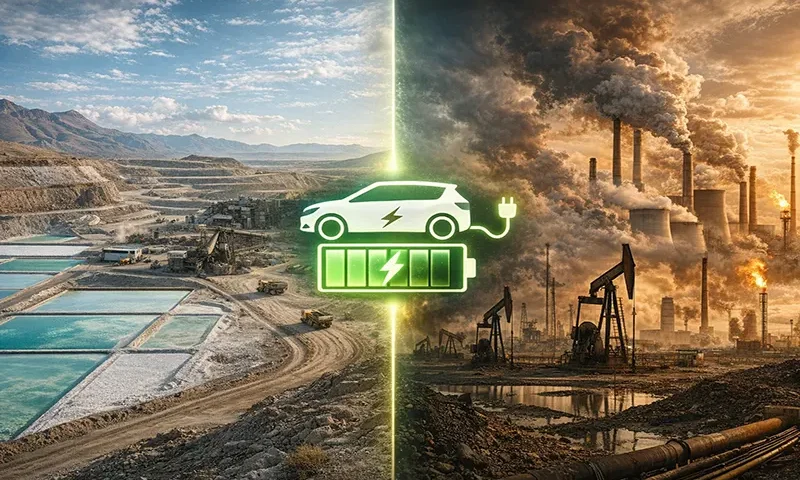
The global push for electric vehicles (EVs) is largely driven by the urgent need to mitigate climate change by reducing greenhouse gas emissions. However, the environmental footprint of EVs isn’t zero. A significant point of concern, particularly for critics, is the environmental impact of lithium mining for electric vehicle batteries. While crucial for the energy transition, it’s essential to put this impact into perspective when compared to the well-documented, catastrophic effects of fossil fuels.

The Environmental Impact of Lithium Mining

Lithium, a critical component of most EV batteries, is primarily extracted through two main methods:

  1. Hard-rock Mining: This involves traditional open-pit mining to extract lithium-bearing minerals (like spodumene).
    • Impacts: Habitat destruction, landscape alteration, dust pollution, large energy consumption (for crushing and processing ore), and waste rock generation. It also requires significant water.
  2. Brine Extraction (from Salt Flats): Lithium-rich brine is pumped from underground reservoirs and left to evaporate
Read More ...
Beyond the Wheel: Demystifying SAE Level 3 vs. Level 4 Autonomous Driving

Beyond the Wheel: Demystifying SAE Level 3 vs. Level 4 Autonomous Driving

The landscape of autonomous driving is often characterized by ambitious promises and evolving terminology. At its core, the industry relies on the SAE (Society of Automotive Engineers) International standards to classify levels of driving automation, ranging from Level 0 (no automation) to Level 5 (full automation in all conditions). Among these, the distinction between SAE Level 3 and Level 4 autonomous driving technology is particularly crucial, representing a significant leap in technological capability and, more importantly, a fundamental shift in the driver’s role and responsibility.

Both Level 3 and Level 4 systems are considered “conditional automation,” meaning the automated driving system (ADS) performs all dynamic driving tasks under certain conditions. However, the critical difference lies in the driver’s intervention requirement and the system’s ability to handle failure.

SAE Level 3: Conditional Automation (Eyes Off, Still Alert)

At SAE Level 3, the ADS can manage all aspects of driving (steering, … Read More ...

The Student Savings Advantage: Top Insurers for Cheapest Full Coverage Car Insurance (Under 25, Good Grades)

The Student Savings Advantage: Top Insurers for Cheapest Full Coverage Car Insurance (Under 25, Good Grades)

For a new driver under 25 seeking cheapest full coverage car insurance, leveraging strong academic performance is the most immediate way to counteract high-risk premiums. The Good Student Discount is a tangible reward for academic responsibility, often providing significant savings of 10% to 25%.

While rates vary drastically based on location, vehicle, and individual driving history, certain insurance companies are consistently cited for offering competitive rates and robust student-specific discounts, making them excellent starting points for your comparison shopping.

Top Insurers for Young Drivers with Good Grades

These major carriers are known for recognizing the value of the “Good Student” profile, and often combine this discount with other programs to make full coverage more accessible:

Insurance CompanyNotable Student Discount ProgramsPotential SavingsWhy They Stand Out
State FarmGood Student Discount (up to 25%): Requires a B (3.0) average.Up to 25%Offers one of the highest
Read More ...
Maximizing Savings and Convenience: Exploring the Benefits of Bundling Car Insurance with Home Insurance

Maximizing Savings and Convenience: Exploring the Benefits of Bundling Car Insurance with Home Insurance

When it comes to safeguarding your most valuable assets, aligning your insurance policies can offer a multitude of benefits. Bundling car insurance with home insurance is a strategic financial decision that not only simplifies the insurance process but also potentially leads to cost savings and added conveniences for policyholders. Let’s delve into the advantages of bundling these essential insurance policies.

Consolidated Coverage, Simplified Management

One of the primary benefits of bundling car insurance with home insurance is the convenience of consolidating multiple policies under a single insurance provider. By bundling your insurance policies, you can streamline your coverage needs, reduce paperwork, and have a single point of contact for all your insurance inquiries and claims. This streamlined approach enhances the overall efficiency of managing your insurance needs, saving you valuable time and effort.

Cost Savings and Discounts

Another significant advantage of bundling car insurance with home insurance is the potential … Read More ...

6 Key Benefits of Comprehensive Car Insurance

6 Key Benefits of Comprehensive Car Insurance

Hitting the road should be an exhilarating experience, not a source of constant worry. With comprehensive car insurance, you can venture on your journeys with peace of mind, knowing that you’re protected from a wide range of risks. Whether it’s a minor fender bender, a major accident, or a natural disaster, your vehicle insurance online policy will be there to safeguard your vehicle and your finances.

Today, we will discuss the top 6 benefits of investing in a comprehensive car insurance policy. 

1. Financial Protection Against Accidents

A comprehensive car insurance policy offers third-party liability cover, which protects you against financial liabilities arising from accidents involving your vehicle. This coverage extends to damages caused to a third party’s property or injuries sustained by a third party. Additionally, your own damage cover protects your own vehicle from damages caused by accidents, theft, natural disasters, or vandalism. Many policies also offer additional … Read More ...