The Power Struggle: Distinguishing Symptoms of a Bad Alternator vs. Dead Battery

The Power Struggle: Distinguishing Symptoms of a Bad Alternator vs. Dead Battery

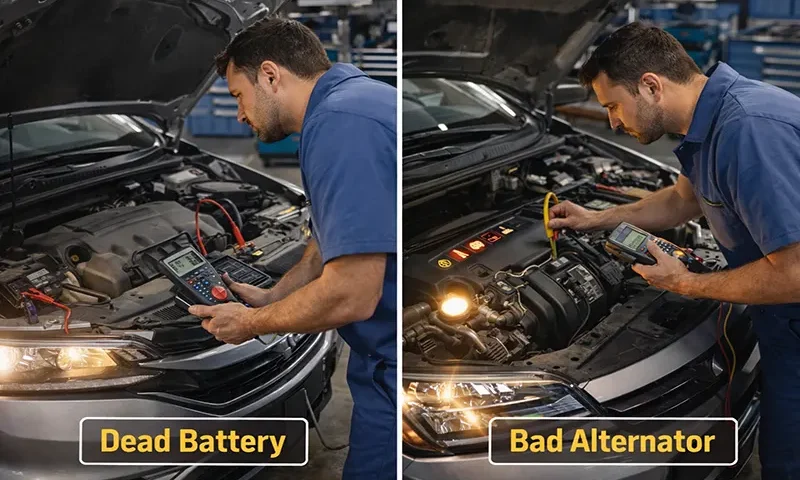
When your car refuses to start or stalls unexpectedly, the immediate fear is often a major mechanical failure. However, the root cause is frequently traced back to the heart of the vehicle’s electrical system: the alternator or the battery. These two components work in tandem—the battery provides the initial surge of power to start the engine, and the alternator then charges the battery and powers all electrical accessories while the engine runs.

Because a failing alternator will eventually drain a healthy battery, and a dead battery can mask a good alternator, the symptoms often overlap, leading to misdiagnosis. Knowing how to distinguish the symptoms of a bad alternator vs. a dead battery is crucial for timely and cost-effective repair.

Symptoms of a Dead Battery (Starter Failure)

A dead battery is generally the simpler problem to diagnose and fix. It usually results from age, cold weather, or accidentally leaving lights … Read More ...
The Deep Dive: Hidden Mechanical Problems Uncovered by a Pre-Purchase Inspection (PPI)

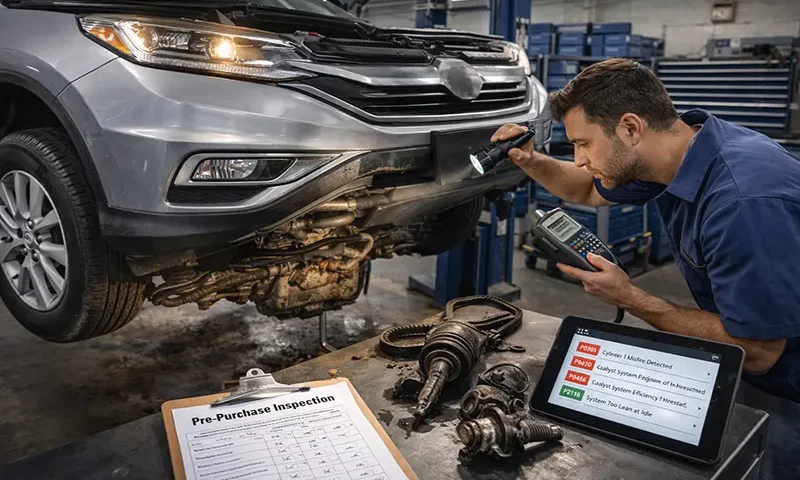
When buying a used car from a private seller, the Pre-Purchase Inspection (PPI) is your final, critical defense against inheriting a money pit. While your walk-around and test drive can catch obvious issues, only an independent mechanic with the right tools can reveal the systemic, costly problems that sellers—consciously or unconsciously—may hide.

Here are the most common and expensive mechanical problems that a PPI specifically looks for:

1. Transmission Issues (The Silent Killer)

Transmission failure is one of the costliest repairs a car can face. Sellers might temporarily mask early signs, but a mechanic can spot subtle warnings.

  • What the PPI Uncovers:
    • Fluid Condition: Checking the transmission fluid (if possible) for a dark, burnt smell or metallic particles, which indicate internal wear and overheating.
    • Gear Engagement: Detecting subtle hesitation, jerking, or delayed shifts that might not appear during a short, gentle test drive.
    • Hidden Codes: Using a diagnostic scanner
Read More ...
Beyond the Wheel: Demystifying SAE Level 3 vs. Level 4 Autonomous Driving

Beyond the Wheel: Demystifying SAE Level 3 vs. Level 4 Autonomous Driving

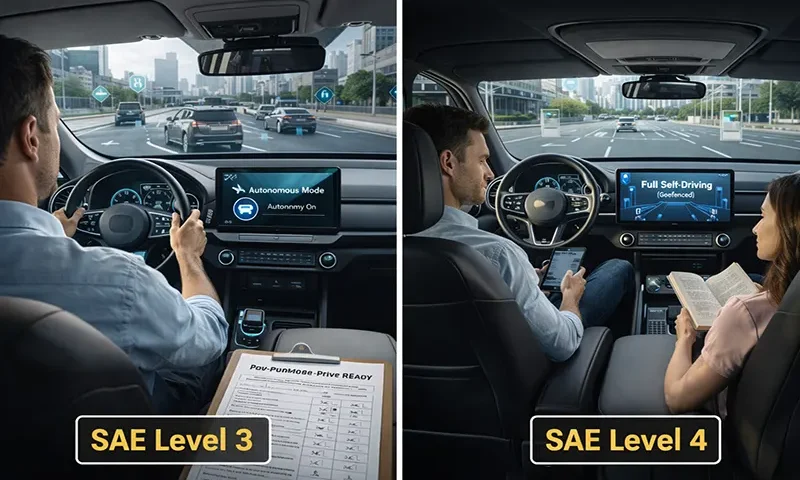
The landscape of autonomous driving is often characterized by ambitious promises and evolving terminology. At its core, the industry relies on the SAE (Society of Automotive Engineers) International standards to classify levels of driving automation, ranging from Level 0 (no automation) to Level 5 (full automation in all conditions). Among these, the distinction between SAE Level 3 and Level 4 autonomous driving technology is particularly crucial, representing a significant leap in technological capability and, more importantly, a fundamental shift in the driver’s role and responsibility.

Both Level 3 and Level 4 systems are considered “conditional automation,” meaning the automated driving system (ADS) performs all dynamic driving tasks under certain conditions. However, the critical difference lies in the driver’s intervention requirement and the system’s ability to handle failure.

SAE Level 3: Conditional Automation (Eyes Off, Still Alert)

At SAE Level 3, the ADS can manage all aspects of driving (steering, … Read More ...

The Student Savings Advantage: Top Insurers for Cheapest Full Coverage Car Insurance (Under 25, Good Grades)

The Student Savings Advantage: Top Insurers for Cheapest Full Coverage Car Insurance (Under 25, Good Grades)

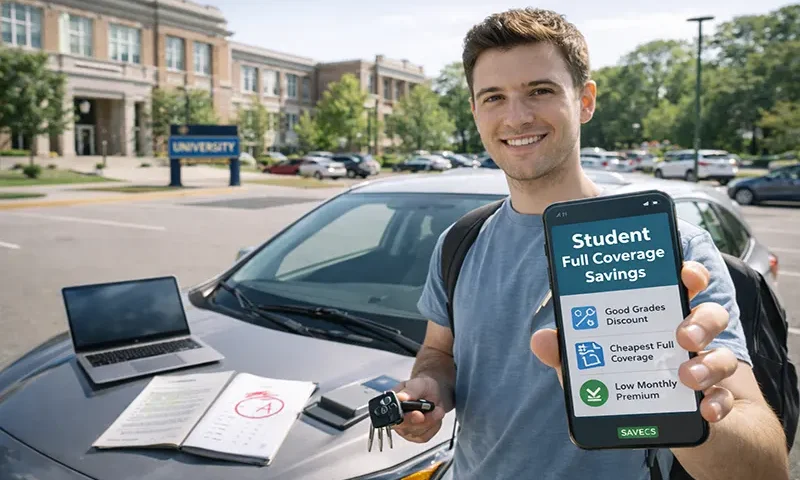
For a new driver under 25 seeking cheapest full coverage car insurance, leveraging strong academic performance is the most immediate way to counteract high-risk premiums. The Good Student Discount is a tangible reward for academic responsibility, often providing significant savings of 10% to 25%.

While rates vary drastically based on location, vehicle, and individual driving history, certain insurance companies are consistently cited for offering competitive rates and robust student-specific discounts, making them excellent starting points for your comparison shopping.

Top Insurers for Young Drivers with Good Grades

These major carriers are known for recognizing the value of the “Good Student” profile, and often combine this discount with other programs to make full coverage more accessible:

Insurance CompanyNotable Student Discount ProgramsPotential SavingsWhy They Stand Out
State FarmGood Student Discount (up to 25%): Requires a B (3.0) average.Up to 25%Offers one of the highest
Read More ...